Language Fact File - Farsi, Dari, Tajik
Language fact file: Farsi/Dari/Tajik
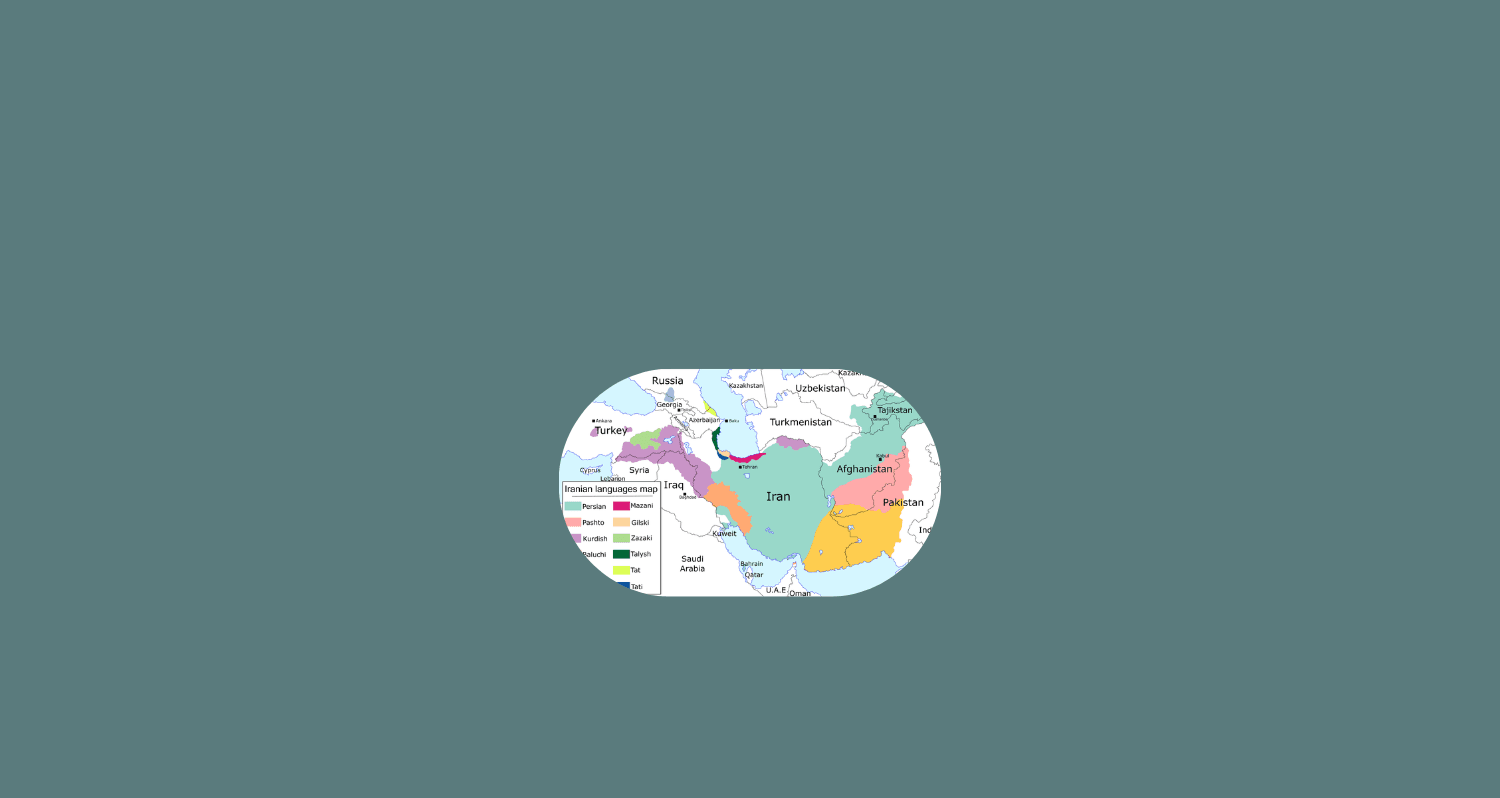
Spoken in: Iran (Farsi), Afghanistan (Dari), Tajikistan (Tajik)
Number of native speakers: 72 million
Learn some: A general greeting is the widely used ‘salam’, but if you want to expand and ask how someone is, it’s ‘halet chetore?’ (ha-let che-tor-eh)
Fast facts:
Farsi is written using the Arabic alphabet, whereas Tajik is written in the Cyrillic script, like Russian and Bulgarian.
Farsi contains loan words from Arabic, French, Russian and English, eg otobus is bus and komod is wardrobe, both from the French.
Farsi, spoken in Iran, has a politeness system called ta’arot, which is a mutually understood pattern of behaviours, eg refusing an offer before you are able to accept it, or generously offering something that you do not expect the other person to accept (and equally, if you are on the receiving end of this generous offer, you are expected not to accept!).

The linguist’s story
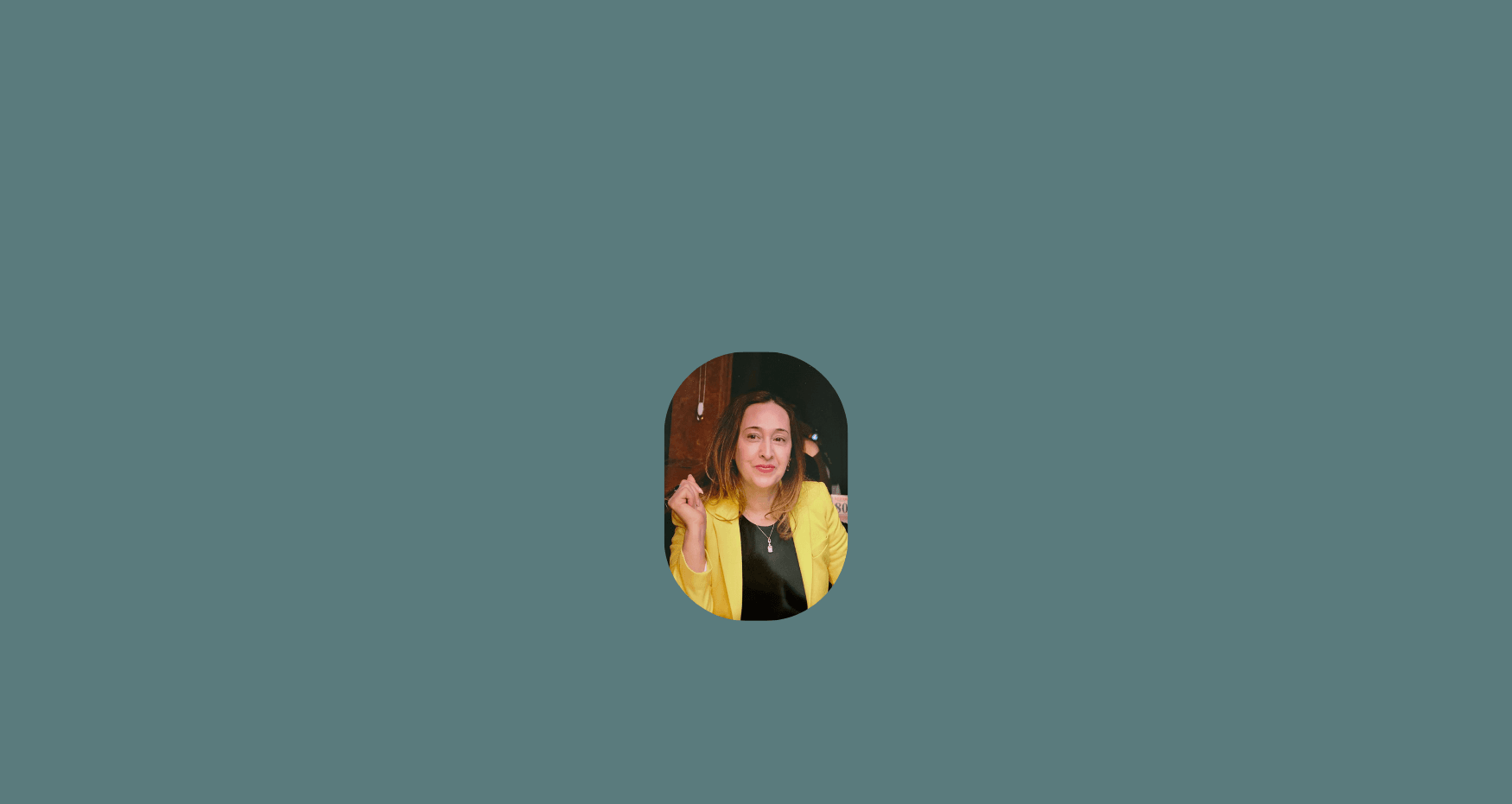
Every month, we get to know a bit more about one of our linguists. This month, we meet Shafiqa Shairshah, a linguist working in Dari and Persian/Farsi.
Tell us about the work you do for TLS.
I work as an interpreter for Persian and Dari, supporting individuals from Iran and Afghanistan in a wide range of settings. My role goes beyond direct translation. I act as a bridge between cultures, helping people communicate clearly during some of the most important and often difficult moments in their lives. Whether it’s within healthcare, legal environments or support services, I ensure that individuals feel heard, understood, and respected.
What has been your biggest challenge?
One of the most challenging aspects of my work is interpreting during trauma therapy sessions. Many of the individuals I support have experienced profound hardship, including displacement, conflict, and loss. Being present in those conversations requires not only linguistic accuracy but also emotional resilience. I naturally feel a deep sense of empathy, and while that can be difficult at times, it also motivates me to provide the highest level of support I can. I am always mindful of maintaining professionalism while ensuring that my presence contributes to a safe and supportive environment.
Can you tell us about a time your work has made a difference to someone with refugee status?
Through my work, I’ve had the privilege of supporting many refugee families, particularly from Afghanistan, during extremely challenging periods of their lives. I always try to offer not just interpretation, but also reassurance and a sense of hope. Even small moments (helping someone fully express themselves or understand their options) can make a meaningful difference. I’ve received heartfelt appreciation from families who felt encouraged and supported during difficult transitions and seeing them regain confidence and resilience is incredibly rewarding.
Tell us something interesting about you.
Outside of my professional work, I have a strong passion for gardening and spending time in nature. I find it both grounding and inspiring. I also love travelling and immersing myself in different cultures, experiencing new environments, traditions and perspectives enriches both my personal life and my work as an interpreter. It helps me connect more deeply with the people I support and appreciate the diversity of their experiences.

TLS Customer Survey 2026
We hope you’ve had a positive experience with our interpreting services. We’re always looking for ways to improve, and your feedback would mean a great deal to us.
We’ve put together a short survey that will only take a couple of minutes to complete, and your responses will help us continue providing the best possible service and support to our clients. Thank you in advance for your time and valuable feedback, we truly appreciate it.
TLS Survey

Your month ahead - May
4-10, Deaf Awareness Week
This annual campaign focuses on promoting understanding of deafness and improving inclusion for deaf and Deaf people. This year, it highlights the importance of accessible communication and equal access to information and services. The week aims to raise awareness of Deaf culture and British Sign Language, while encouraging individuals, organisations and communities to remove communication barriers.
27-29 (depending on moon sighting), Eid al-Adha, Islam
Eid al-Adha is also known as ‘Big Eid’, and is different from Eid al-Fitr, which marks the end of Ramadan. Eid al-Adha remembers a story from the Qur’an in which Allah asks Ibrahim to sacrifice his son, Ismail, to prove his faith. When Allah sees that Ibrahim is willing to make the sacrifice, he replaces the boy with a ram. To honour this sacrifice, traditionally Muslims get together and eat a sacrificial animal, donating a portion of the meat to those in need. If you don’t celebrate yourself, wish Muslim colleagues, neighbours and friends an Eid mubarak this year!
May’s dates at a glance
Religious/cultural
1 – Beltane, Wicca and Pagan
2 – Twelfth Day of Ridvan, Baha’i
3 – Feast of Saints Philip and James, Catholic Christian
5 – Lag Baomer, Judaism
6 – Midfeast, Orthodox Christian
14 – Ascension of the Lord, Catholic Christian
14 – Feast of Saint Matthias, Catholic Christian
18 – Rohini Vrat, Jain
21 – Feast of the Ascension, Orthodox Christian
22-23 – Shavuot, Judaism
24 – Declaration of the Báb, Baha’i
24 – Pentecost, Catholic Christian
25 – Hajj begins, Islam
26 – Day of Arafah, Islam
27 – Eid Al-Adha begins, Islam
29 – Ascension of Baha‘U’llah, Baha’i
30 – Saturday of Souls, Orthodox Christian
31 – Vesak, Buddhist
31 – Pentecost, Catholic Christian
31 – Trinity Sunday, Catholic Christian
31 – Visitation of the Blessed Virgin Mary, Catholic Christian
31 – Saga Dawa Düchen, Buddhist
Awareness and Events
3 – International Family Equality Day
4-10 – Deaf Awareness Week
8 – World Red Cross and Red Crescent Day
11-17 – Mental Health Awareness Week
13 – National Day for Staff Networks
15 – International Day of Families
17 – International Day Against Homophobia, Transphobia and
Biphobia
21 – Global Accessibility Awareness Day
21 – World Day for Cultural Diversity for Dialogue and Development
22 – International Day for Biological Diversity
24 – Pansexual Visibility Day
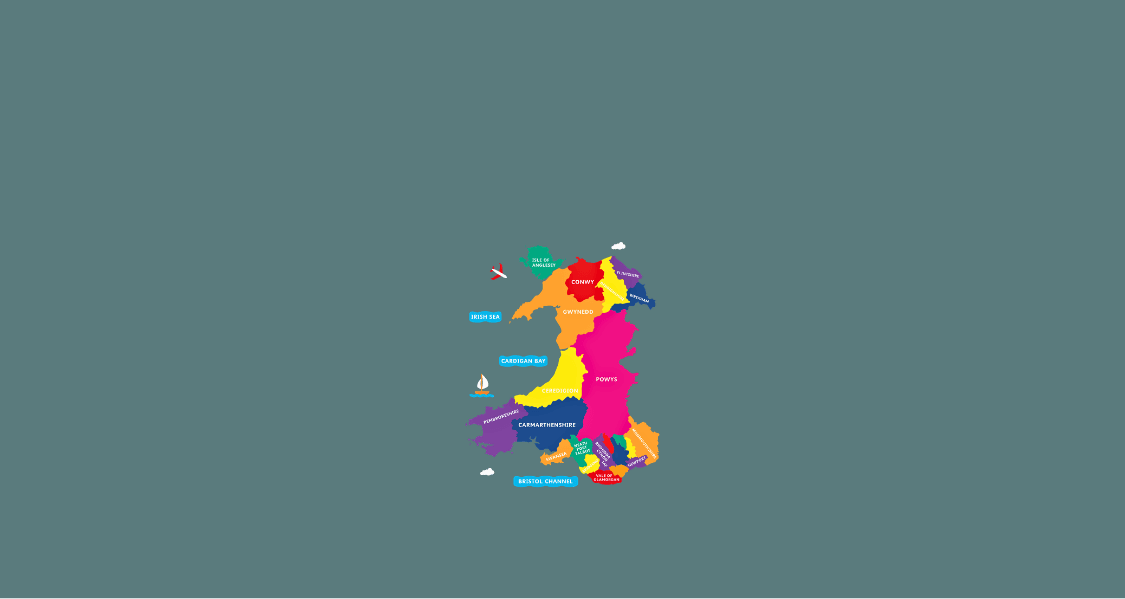
Language fact file - Welsh
Language fact file: Welsh
Welsh is spoken as an official language in: Wales
Number of speakers: 538,000
Learn some: Impress people by commenting on the weather: mae’n braf heddiw (main brahv heth-ee-oo) means ‘it’s nice today’.
Fast facts:
Welsh is one of the oldest living languages in Europe. It has been spoken for more than 1,500 years, which makes it older than English.
Wales also boasts one of the longest place names in Europe, with a village in Anglesey, northwest Wales, called Llanfairpwllgwyngyllgogerychwyrndrobwlllantysiliogogogoch!
Despite being right next door, English has relatively few loan words from Welsh. Flannel, corgi and bard are a few, and it is hotly debated among linguists but some believe that penguin came from the Welsh pen gwyn, which means white head.

The Tls Team Story - April
Every month, we get to know a bit more about one of our linguists or team members.
This month, we meet Lisa Gaunt, a member of our MoJ Quality Assurance Team.
Tell us about the work you do for TLS.
I work within the MoJ Quality Assurance team, supporting assessors who evaluate
interpreters’ performance across a range of settings, both face-to-face and remotely.
Our team is focused on maintaining quality and continuous improvement, ensuring
that the systems and processes we and our assessors use promote consistency,
uphold quality standards and adhere to MoJ requirements.
It is a varied and engaging role, covering a wide range of responsibilities. These
include determining and scheduling assessments, managing assessor payments,
reviewing booking recordings to determine their suitability for assessment, and role-
playing scripted scenarios for interpreters who require further evaluation, among
other tasks.
What's been your favourite project at TLS?
My favourite project to date has been testing the new DARTS system (the audio
recording system used in Crown Courts), which our team uses daily to identify
suitable cases for assessment.
The legacy system presented several challenges due to its age, so I was able to
provide detailed feedback on the features and functionality that would better meet
both our team’s needs and wider TLS requirements.
The feedback from the team was extremely positive, with many noting how much
more streamlined, efficient, and user-friendly the system had become.
What has been your biggest challenge?
My biggest current challenge is completing my final project for the Level 5 CMI
Operational Management apprenticeship, which I have been fortunate to undertake
with the support of management. I am on track to complete this in June.
The apprenticeship has been incredibly valuable, contributing to both my personal
and professional development. Over the past 18 months, I have gained a deeper
understanding of operational processes, both within our organisation and externally,
and have developed a more empathetic and considered approach when working with
colleagues.
I am excited to see how this qualification will further support my development within
TLS.
Tell us something interesting about you.
I was once barred from entering phone-in competitions on Pulse Radio after winning
too frequently—unfortunately, that luck has never extended to my lottery tickets.
I host a book club in Bradford. I initially joined as a “Champion” member, welcoming
and supporting new attendees. When the original host stepped down due to health
reasons, I took on the role after covering several sessions. I thoroughly enjoy it and
am looking forward to celebrating our first anniversary in April.
I have recently taken up sewing, although it sometimes feels more like unpicking
stitches! I have created several items of clothing, including a favourite cord, short-
sleeved long dress. I also successfully altered a satin prom dress for a friend’s
daughter, creatively resolving damage from a steam iron and improving the fit in the
process – all within 2 hours!

Contract Award: Ministry of Justice Language Services Quality and Assurance
We are delighted to announce that we have been awarded the Ministry of Justice Language Services Quality and Assurance Contract, effective from October 2026.
This award reflects the consistently high standards, professionalism and expertise demonstrated over the lifetime of the current QA contract to support the accurate, reliable and safe delivery of language services throughout the justice system.
We are proud to continue supporting the Ministry of Justice and its partners in maintaining quality, safeguarding standards and driving continuous improvement.
As we prepare for the new contract period, we look forward to further strengthening service delivery and collaboration across the sector.
Dates for your diary - April
8, International Romani Day
Celebrated annually since 1971, this day honours the culture, history and contributions of Romani (Roma, Sinti, Kale and others) people around the world, as well as raising awareness of the discrimination many still face. The date commemorates the first major international meeting of Romani representatives in London, where action was taken to start to promote the unique identity and unify Romani peoples.
14, Puthandu, Tamil
Also known as the Tamil New Year celebration, Puthandu is celebrated around mid-April and symbolises new beginnings. Festivities usually begin with kani, an arrangement of fruits, flowers, gold and a mirror, which is said to bring good luck for the year ahead. A typical Puthandu dish is mango pachadi, which has a balance of sweet, sour and bitter flavours to represent the variety of life experiences.
April's dates at a glance
Religious/cultural
2 Hanuman Jayanti, Hindu
2 Maundy Thursday, Christian
2-5 Theravada New Year, Buddhist
2-9 Passover, Judaism
3 Good Friday, Christian
4 Holy Saturday, Christian
4 Lazarus Saturday, Orthodox Christian
5 Easter Sunday, Christian
5 Palm Sunday, Orthodox Christian
6 Easter Monday, Christian
7 Guru Tegh Bahadur Jayanti, Sikh
9 Guru Arjun Dev Jayanti, Sikh
9 Great and Holy Thursday, Orthodox Christian
10 Great and Holy Friday, Orthodox Christian
11 Great and Holy Saturday, Orthodox Christian
12 Pascha (Easter), Orthodox Christian
12 Divine Mercy Sunday, Catholic Christian
13-15 Songkran (Thai New Year), Buddhist
14 Yom Hashoah, Judaism
14 Puthandu, Tamil
14 Vaisakhi, Hindu and Sikh
18 Guru Angad Dev Jayanti, Sikh
19 Akshaya Tritiya, Hindu and Jain
19 Varshitapa Parana Jain
20 Rohini Vrat, Jain
21 First Day of Ridvan, Baha’i
21 Grounation Day, Rastafari
23 Saint George’s Day, Christian
25 Feast of Saint Mark the Evangelist, Catholic Christian
26 Mahavir Swami Kevalagyan, Jain
29 Ninth Day of Ridvan, Baha’i
30 Saint James the Great’s Day, Orthodox Christian
30 Guru Amar Das Jayanti, Sikh
30 Avalokiteshvara Day, Buddhist
30 Apr-4 May Maidyozarem Gahambar, Zoroastrian
Awareness and Events
1 Fools’ Day
2 World Autism Awareness Day
6 International Asexuality Day
7 World Health Day
8 International Romani Day
22 Earth Day
25 World Malaria Day
26 Lesbian Visibility Day
28 World Day for Health and Safety At Work
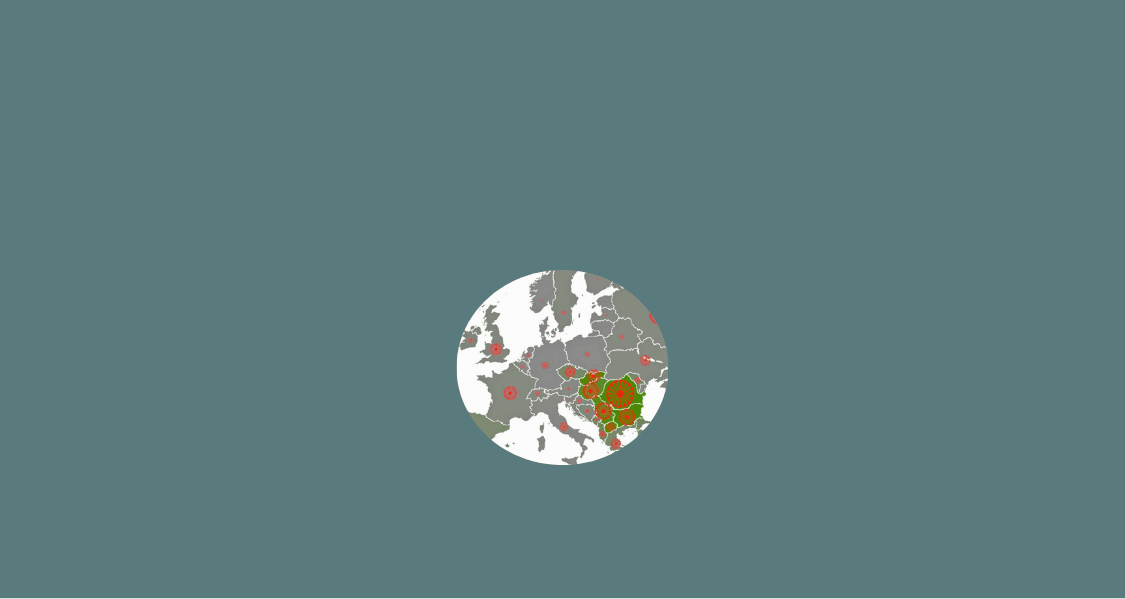
Language fact file - Romani
Language fact file: Romani
Romani is spoken as a recognised minority language in: Austria, Bosnia and Herzegovina, Colombia, Finland, Germany, Hungary, Kosovo, Montenegro, North Macedonia, Norway, Poland, Romania, Russia, Serbia, Slovakia, Sweden, Ukraine
Number of speakers: approximately 4.6m
Learn some: Greet someone in Romani by saying ‘sastipe!’, which means ‘health to you’.
Fast facts:
Romani has its roots in northern India, sharing similarities with Hindi, Punjabi and Bengali. Researchers believe that ancestors of the Roma left India between 1,000 and 1,500 years ago, the language has been preserved remarkably well, allowing linguists to make this connection.
However, there are many dialect versions of Romani, which vary according to where the community has settled and which have borrowed from the local languages.
As Romani was predominantly a spoken language for most of its history, it has no formal writing system and can be written using various alphabets, including Cyrillic, Latin and Greek.

The Staff Member’s Story - March
Every month, we get to know a bit more about one of our linguists. This month however, for something different, we get to know a bit more about Zainub Patel, TLS’s very own client relationship and account manager.
Tell us about the work you do for TLS.
I’m the client relationship and account manager at TLS, where I look after our client contracts and partnerships. My role is really varied, which is something I enjoy. I create detailed data packs and present insights to our customers, support with any escalations or issues, and work closely with them to make sure we’re delivering the best possible service. A big part of my role is building strong relationships and ensuring our clients feel supported and valued.
What’s been your favourite project at TLS?
One of my favourite parts of the role is creating and supporting training sessions for our interpreters to help them grow and develop. Last year, we worked with a customer to provide additional training around Initial and Review Child Protection Services. The feedback from our interpreters was fantastic - they found it incredibly helpful in understanding the purpose and importance of CPS reviews and their role within them. It was great to see the positive impact the training had, and I learned a lot from the experience as well.
What has been your biggest challenge?
My biggest challenge was definitely when I first stepped into the role. I already understood our customers and how to support them, but I hadn’t fully appreciated just how different their needs and services can be. Learning how important it is to tailor our approach to each individual customer was a real turning point for me. Since then, I’ve grown so much in confidence and experience, and I’ve developed a stronger understanding of how to deliver truly personalised support.
Tell us something interesting about you.
I’ve recently started to try and learn Python, which is a programming language used to build websites and software. I’m really enjoying it so far! It’s challenging in a good way and feels like a great opportunity to expand my skills and try something new outside of my day-to-day role.