In your diary: October
3, Shemini Atzeret, Judaism
Following closely behind the more widely known and livelier festival of Sukkot, Shemini Atzeret translates as ‘The Eighth Day of Assembly’. This is one of four times in the year when Jews say memorial prayers for their dead. It also marks the end of the harvest and traditionally, a prayer for rain. This held significance for Jews living an agricultural existence in harsh desert climates, but now can carry new significance in this time of challenging weather conditions.
20, Dussehra, Hinduism
Dussehra is one of India’s most spectacular festivals – which is no mean feat! It celebrates the triumph of good over evil, by evoking the ancient tale of Lord Rama’s victory over demon king Ravana. Across the country, this story is re-enacted in traditional Ramlila performances, a dramatic re-telling of the Hindu epic Ramayana, telling the life of Rama. Each town has its own mela, a fair with rides, food, local handicrafts and its own performances of music and dance. These are followed by bonfires at nightfall, where giant effigies of Ravana and his son and brother are burned.
October’s dates at a glance
Religious/cultural
1 – Rohini Vrat, Jain
2 – Feast of the Guardian Angels, Catholic Christian
2 – Gandhi Jayanti, Hindu
2 – Mehregan, Zoroastrian
3 – Shemini Atzeret, Judaism
4 – Feast of St Francis of Assisi, Christian
4 – Simchat Torah, Judaism
11 – Sharada Navratri begins, Hindu
12-16 – Ayathrem Gahambar, Zoroastrian
17 – Ashwina Navapada Oli begins, Jain
17 – Durga Puja begins, Hindu
18 – Feast of Saint Luke, Christian
20 – Dussehra, Hindu
20 – Guru Granth Sahib Coronation Day, Sikh
25 – Kathina, Buddhist
27 – Guru Ram Das Jayanti, Sikh
28 – Feast of Saints Simon and Jude, Christian
28 – Rohini Vrat, Jain
29 – Karwa Chauth, Hindu
31 – All Hallows’ Eve, Christian
31 – Reformation Day, Protestant Christian
Awareness and Events
1 – Anniversary of the Introduction of the Equality Act
1 – International Day of Older Persons
5 – World Teachers’ Day
6 – World Cerebral Palsy Day
8 – World Sight Day
10 – World Mental Health Day
11 – International Day of the Girl Child
11 – National Coming Out Day
15 – International Day of Rural Women
16 – Show Racism the Red Card’s Wear Red Day
17 – International Day for the Eradication of Poverty
18 – Anti-Slavery Day
18 – World Menopause Day
21 – International Pronouns Day
26 – Intersex Awareness Day
29 – World Stroke Day

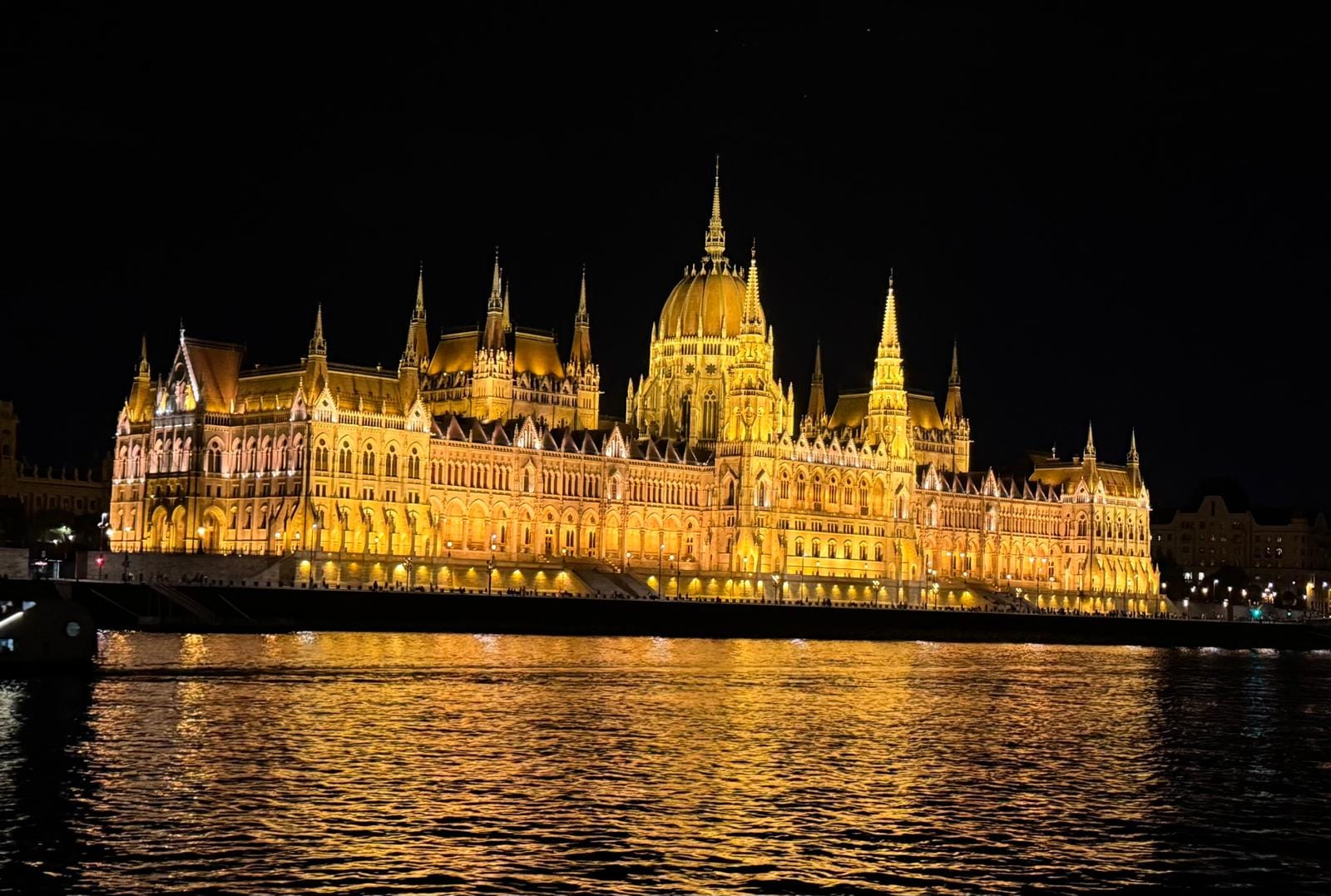
language fact file: Hungary
A language native to: Hungary
Number of native speakers: 13 million
Learn some: There are several greetings but you can keep it simple with ‘szia’, pronounced ‘see-ya’, which can be ‘hi’ or ‘bye’. If you want to thank someone, it’s köszönöm, pronounced ‘kuh-suh-nuhm’.
Fast facts:
The Hungarian language is called Magyar. Its roots are not Slavic or Indo-European, but Uralic, which means that it has more in common with Finnish and Estonian languages than those of its neighbouring countries.
Magyar is one of the most difficult languages in the world to learn: it has approximately 26 cases, 14 vowel sounds, 44 letters and a flexible word order system that can be very confusing!
The earliest recorded example of Magyar was found in Canada and is thought to date back to 1000AD, meaning that a Hungarian person arrived in the Americas long before Christopher Columbus.
The Linguist’s Story
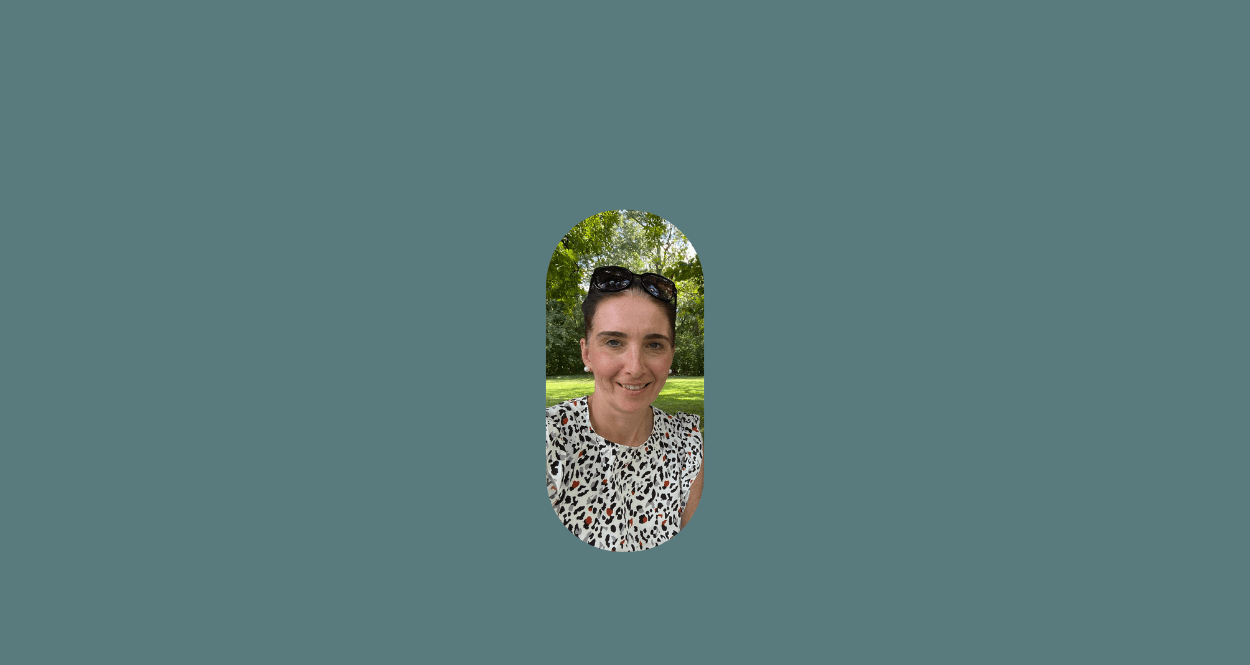
Every month, we get to know a bit more about one of our linguists. This month, we meet Andrea Szabo, a linguist working in Hungarian.
Tell us about the work you do at TLS.
I work as a remote Hungarian interpreter. I work across various settings: NHS appointments, public sector and social services settings, bridging the gap between the service user and the service provider. My role is important and requires accuracy and to be able to share the correct meaning with the service user.
What's been your favourite project at TLS?
There is not a single project that I would say was my favourite one. I would say that I enjoyed them all, as I have learnt new things and information about the environment in which my support was needed to share communication between professionals and the service user.
What has been your biggest challenge?
Challenging situations can arise during an interpreting assignment, particularly when service users are angry or struggling with strong emotions.
As an interpreter, it is my responsibility to always remain impartial and professional. I must not take a service user’s anger personally or allow it to affect the quality of my interpreting.
Can you tell us about a time your work made a difference to someone's life?
I do hope i have made a difference to someone's life, when I have interpreted in many mental health appointments and the service user was able to put his/her message across to the professional with the aid of a professional Hungarian interpreter.
Our commitment to the planet
After a scorching summer, wildfires and drought in many parts of the UK, our changing climate has become an unavoidable reality this year.
Our customers can rest assured that TLS has sustainability woven into our operations and planning.
This commitment to reducing our impact on the planet is enshrined by a Carbon Reduction Plan, developed in accordance with the UK Government's Public Procurement Notice (PPN 006) requirements and demonstrates our commitment to achieving Net Zero emissions by 2040.
The plan includes carbon reduction targets, baseline and current emissions reporting, governance arrangements, and a programme of environmental improvement initiatives.
Your month ahead - September
23, International Day of Sign Languages
Celebrated annually on 23 September, the UN designated this day to encourage celebration of the linguistic and cultural diversity of sign languages across the planet, and because “for deaf people, sign language rights are fundamental for the full enjoyment of their human rights as defined by the Universal Declaration of Human Rights.” The day marks the end of the International Week of Deaf People, which promotes the achievements and culture of the Deaf community.
27, Meskel, Ethiopian Orthodox Christian
Meskel marks the discovery of the true crucifixion cross in Jerusalem. Celebrants hold a big bonfire, called a demera, in Meskel Square, Addis Ababa, and smaller versions are built in towns across the country. These are made up of dried sticks and are decorated with yellow flowers. Worshippers from different churches across Ethiopia gather, wearing white with red sashes and playing musical instruments. During Meskel, people return to the villages and neighbourhoods where they were born for the celebrations.
September’s dates at a glance
Religious/cultural
1 – Ecclesiastical Year begins, Orthodox Christian
1 – First Installation of the Guru Granth Sahib, Sikh
4 – Krishna Janmashtami, Hindu
4 – Rohini Vrat, Jain
8 – Feast of the Birth of the Virgin Mary, Christian
8 – Nativity of the Theotokos, Orthodox Christian
8 – Paryushana Parvarambha, Jain
12 – Guru Grinth Sahib Jayanti, Sikh
12-13 – Rosh Hashanah, Judaism
12-16 – Paitishahem Gahambar, Zoroastrian
14 – Feast of the Cross, Christian
14 – Ganesh Chaturthi, Hindu
15 – Samvatsari Parva, Jain
21 – Feast of Saint Matthew, Christian
21 – Yom Kippur, Judaism
23 – Mabon, Wicca and Pagan
23 – Autumnal Equinox Day (Shūbun No Hi) Shinto
24 – Pavarana, Buddhist
25 – Anant Chaturdashi, Hindu
26 – Pitri Paksha begins, Hindu
26 Sept - 2 Oct – Sukkot, Judaism
27 – Meskel, Ethiopian Orthodox Christian
29 – Feast of Saint Michael and All Angels, Christian
Awareness and Events
10 – World Suicide Prevention Day
15 – World Afro Day’s ‘Big Hair Assembly’
18 – International Equal Pay Day
21 – World Alzheimer’s Day
23 – Autumn Equinox
23 – Bi Visibility Day
23 – International Day of Sign Languages
28 Sept - 4 Oct – UK National Inclusion Week

language fact file: Democratic Republic of Congo
A language native to: the Democratic Republic of Congo
Number of native speakers: 20 million
Learn some: Greet people in Lingala with ‘mbote’, which means hello. You can ask ‘ozali malamu?’, which means ‘are you well?’ Hopefully the answer will be ‘nazali malamu’ – I am fine.
Fast facts:
Lingala started life as a simplified language of trade, allowing people living and travelling along the Congo river to do business. Prior to the arrival of Europeans, traders had used a language called Bobangi, but Europeans struggled to learn this, so the simpler Lingala grew in its place. From there it became a complex language spoken as a mother tongue by 20 million people.
Its roots as a language of trade are reflected in relatively large numbers of loan words from other languages, such as motuka from English, meaning car, sabuni from French, meaning soap (savon) and manteka from Portuguese, meaning butter or fat (manteiga).
Lingala is a tonal language, which means meaning is influenced by the tone used. For example, kóma means to arrive, whereas kòma means to write. As it is written using the Latin alphabet and Lingala writers do not often use markers to show the tone, readers often have to rely on context to understand meaning.
The Linguist’s Story - August
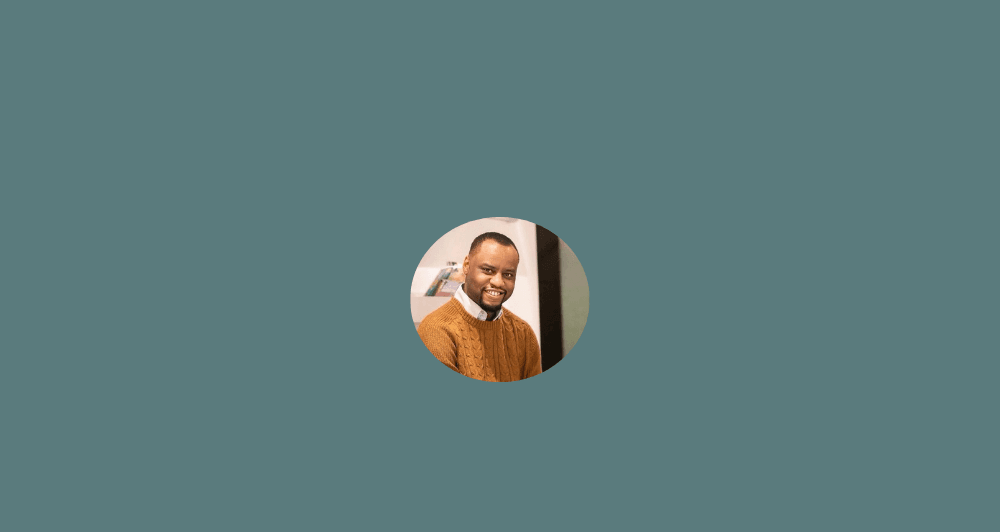
Every month, we get to know a bit more about one of our linguists. This month, we meet Willem Lopes, a linguist working in French and Lingala.
Tell us about the work you do at TLS.
At TLS, I help bridge the communication gap between members of the public and professionals by providing accurate and impartial interpreting services for Lingala and French speakers. My work takes me into a wide range of settings, including hospitals, GP surgeries, schools, clinics, benefit offices, housing departments, social services, and many other public sector organisations.
The work I do is incredibly rewarding because it can have a meaningful impact on people's lives. By facilitating effective communication, we help improve access to essential services and contribute to better outcomes, whether medically, socially, or personally.
What's been your favourite project at TLS?
One of the most rewarding assignments I've had at TLS was supporting the parents of a child with autism throughout a series of parenting courses. As the interpreter, I had the privilege of supporting communication between the family and the professionals delivering the sessions.
Over time, I witnessed an incredible transformation. The parents went from feeling overwhelmed and uncertain about their child's diagnosis to developing a much deeper understanding of autism and recognising their child's unique strengths and potential.
Knowing that my role as an interpreter helped make those conversations possible and enabled the family to fully engage with the support available is something I will always be proud of. Experiences like this remind me that interpreting is about far more than language, it's about empowering people, building understanding, and making a genuine difference in their lives.
What has been your biggest challenge?
Navigating situations where there are significant cultural differences between a client and the professionals supporting them. At times, I have worked with individuals who require urgent medical or social care but, because of their personal beliefs, cultural background, or mental health, are unable or unwilling to accept the help being offered.
These moments remind me that interpreting is about far more than translating words. It is about building trust, bridging cultural differences, and ensuring that both parties genuinely understand one another. By facilitating clear and accurate communication, I hope to create an environment where informed decisions can be made and where every individual feels respected, heard, and understood.
Can you tell us about a time your work made a difference to someone's life?
Choosing just one example is incredibly difficult because so many assignments have had a profound impact.
I have interpreted for homeless families as they navigated housing services and were eventually able to secure accommodation. I have helped parents understand their child's diagnosis, giving them the knowledge and reassurance they needed to support their child with confidence.
I have also worked with individuals recovering from life-changing medical conditions, including supporting a client after brain surgery as she learned to communicate again, and interpreting during physiotherapy sessions for someone recovering from a stroke, enabling them to fully engage in their rehabilitation. I have witnessed children with speech and language difficulties make remarkable progress because their families were able to understand and actively participate in their therapy.
These are just a few examples among many. While interpreters often work behind the scenes, our role can be life changing. Every assignment is an opportunity to remove barriers, empower individuals, and ensure that everyone has an equal opportunity to understand, to be understood, and to access the support they need. Knowing that I have played a small part in those journeys is one of the greatest privileges of my career.
TLS retains Cyber Essentials Plus accreditation
TLS has once again been awarded the UK Government-backed Cyber Essentials Plus accreditation, demonstrating our continued commitment to data security and best practices in cybersecurity.
The accreditation confirms that our systems and processes exceed industry standards for protecting your data from common online threats. This means that you can rest assured that our current protections offer the best in cyber safety, and that we are always working to stay ahead of new and emerging threats. It reflects our proactive approach to risk management and our dedication to maintaining the highest levels of trust and compliance.
If you have any questions about Cyber Essentials Plus, please speak to your account manager.
In your diary - August
1, Lughnasadh, Wicca and Pagan
Lughnasadh (pronounced ‘loo nah sod’) is a harvest festival traditionally celebrated by the Gaelic Celtic people of Ireland, Scotland and the Isle of Man, and originally marked the beginning of autumn. It is the first of three harvest festivals and focuses on gratitude for the bounty of grain. For this reason, celebrations involved fresh bread and corn dollies – small figurines made from sheafs of grain.
16, Onam, Hindu
Onam is another harvest festival, mainly taking place in the southern Indian state of Kerala, and in Uttar Pradesh, Gujarat and Maharashtra. Celebrated over ten days, it is the state festival for Kerala and marks the new year there. The biggest celebration of Onam is held on the last day, called Thiruvonam. People decorate with pookalams, mats made from flowers, and special boat races are held, as well as choreographed martial art displays and dancing.
August’s dates at a glance
Religious/cultural
1 – Lammas, Christian
1 – Lughnasadh, Wicca and Pagan
1 – Fast in Honour of the Holy Mother of the Lord Jesus begins, Orthodox Christian
4 – Arba’een, Islam
6 – Feast of Transfiguration, Catholic Christian
6 – Transfiguration of the Lord, Orthodox Christian
7 – Guru Har Krishan Jayanti, Sikh
8 – Rohini Vrat, Jain
8-17 – Muktad (Fravardeghan Days), Zoroastrian
10 – Feast of Saint Lawrence, Christian
13-15 – Obon, Buddhist and Shinto
15 – Assumption of Mary, Catholic Christian
15 – Dormition of the Theotokos, Orthodox Christian
16 – Onam begins, Hindu
22 – Feast of the Queenship of Mary, Catholic Christian
24 – Feast of Saint Bartholomew the Apostle, Christian
26 – Mawlid Al-Nabi, Islam
27 – Ullambana (Hungry Ghost Festival), Buddhist
28 – Raksha Bandhan, Hindu
28 – Dormition of the Mother of God, Orthodox Christian
29 – Beheading of Saint John the Baptist, Christian
Awareness and Events
9 – International Day of the World’s Indigenous People
19 – World Humanitarian Day
22 – International Day Commemorating the Victims of Acts of Violence Based on Religion or Belief
23 – International Day for the Remembrance of the Slave Trade and its Abolition
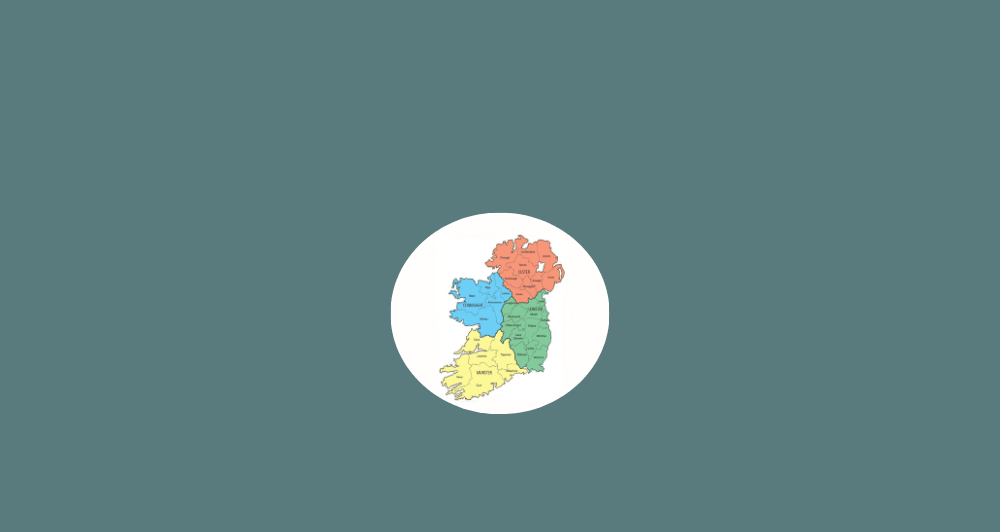
language fact file: Irish Gaelic
An official language in: the Republic of Ireland and Northern Ireland
Number of native speakers: Approximately 20-30,000, with 1.9m claiming some knowledge of the language
Learn some: Greet others with ‘dia duit’, pronounced ‘jee-ah ditch’ or ‘jee-ah gwit’, depending on where you are in the country! When you part ways, saying goodbye is ‘slán’, pronounced ‘shlahn’.
Fast facts:
Only 1.5% of the Irish population speak Gaelic every day. But there are currently more people learning the language online than there are living in Ireland!
The Irish language is one of the oldest written languages in Europe, dating back to the 4th century.
Ireland is known as the Emerald Isle, because its landscapes are so green. One of the reasons for this is a rather wet climate, and Gaelic has 30-50 commonly recognised words and expressions for different kinds of rain!